The Transformative Benefits of Yoga for Mind and Body
Yoga has become a popular practice worldwide, but its true power goes beyond simple exercise. It offers a unique blend of physical movement, breath control, and mental focus that can profoundly improve both mind and body. Many people turn to yoga seeking relief from stress or physical discomfort, but the benefits extend far deeper and last longer than most expect.
How Yoga Supports Physical Health
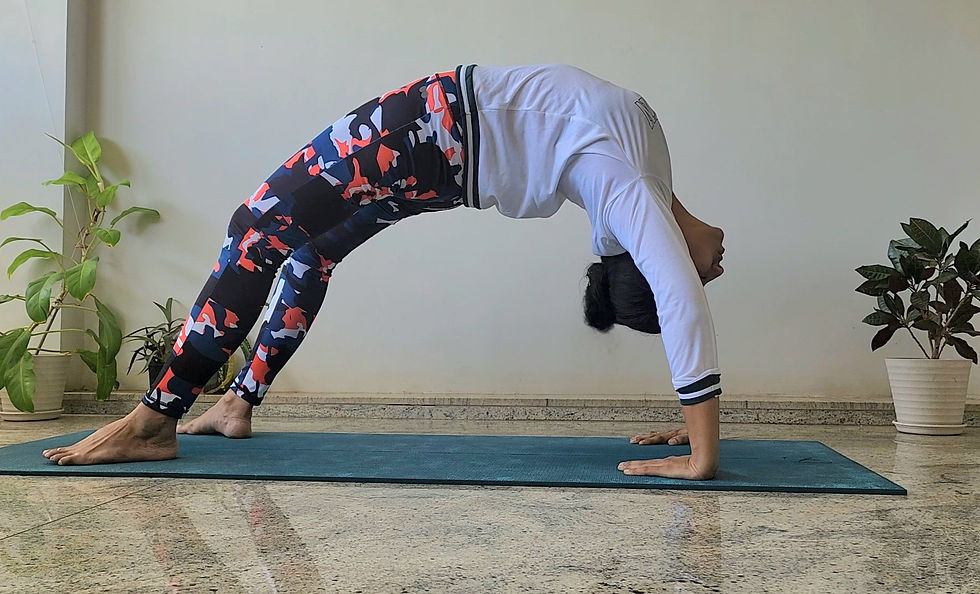
Yoga combines gentle stretching with strength-building postures that improve flexibility and muscle tone. Unlike high-impact workouts, yoga movements are low-impact and accessible to many fitness levels. This makes it an excellent option for people recovering from injuries or those who want to avoid joint strain.
Regular yoga practice can:
Increase flexibility by gradually loosening tight muscles and connective tissues
Build strength in core muscles, improving posture and balance
Enhance joint mobility, reducing stiffness and discomfort
Support cardiovascular health through controlled breathing and movement
Promote better sleep by relaxing the body and reducing tension
For example, poses like Downward Dog stretch the hamstrings and calves, while Warrior poses strengthen the legs and core. Over time, these movements help the body feel more agile and resilient.
The Mental and Emotional Benefits of Yoga
Yoga is often described as a moving meditation. The focus on breath and mindful movement helps calm the nervous system and reduce stress hormones. This can lead to improved mood and a greater sense of emotional balance.
Practicing yoga regularly can:
Lower anxiety and symptoms of depression by encouraging relaxation
Improve concentration and mental clarity through focused breathing
Increase self-awareness and emotional regulation
Foster a sense of connection between mind and body
Encourage a positive outlook by promoting mindfulness and gratitude
Many people find that yoga helps them manage daily stress more effectively. For instance, the practice of deep breathing during yoga activates the parasympathetic nervous system, which slows the heart rate and promotes calmness.
Yoga as a Tool for Mind-Body Connection
One of yoga’s most powerful benefits is its ability to unite the mind and body. This connection helps people become more aware of physical sensations, emotions, and thoughts without judgment. Such awareness can lead to healthier habits and better self-care.
Yoga encourages:
Listening to the body’s signals and respecting its limits
Developing patience and persistence through gradual progress
Cultivating compassion for oneself and others
Enhancing overall well-being by integrating physical and mental health
For example, during a yoga session, noticing tension in the shoulders might prompt someone to adjust their posture or breathe more deeply, preventing injury and promoting relaxation.
Practical Tips for Starting Yoga
Starting yoga can feel intimidating, but it doesn’t require special skills or equipment. Here are some tips to begin a sustainable practice:
Choose beginner-friendly classes or videos that explain poses clearly
Use a yoga mat for comfort and stability
Wear comfortable clothing that allows movement
Focus on your breath and avoid pushing beyond your limits
Practice consistently, even if only for 10-15 minutes a day
Many community centers and gyms offer introductory yoga classes. Online platforms also provide a wide range of options tailored to different needs, such as stress relief, flexibility, or strength building.
Yoga’s Role in Long-Term Wellness
Yoga is not just a temporary fix but a lifestyle practice that supports long-term health. People who practice yoga regularly often report fewer aches and pains, better sleep, and improved emotional resilience. It also encourages a mindful approach to nutrition, rest, and daily activities.
Incorporating yoga into your routine can:
Help maintain mobility and independence with age
Reduce the risk of chronic conditions linked to stress and inactivity
Support mental health by providing tools to manage emotions
Enhance quality of life through greater body awareness and relaxation
For example, older adults who practice yoga may experience improved balance, reducing the risk of falls. Similarly, those with desk jobs can benefit from yoga’s ability to counteract the effects of prolonged sitting.
Comments